
CHANGE MANAGEMENT & STRATEGY IMPLEMENTATION
A strategy the organization can’t carry stays a document.
I work with business owners and leadership teams when the new strategy asks more than the organization was built for, and the company has to change to carry it out.
First we find what is getting in the way of the strategy: how information and work move, how departments work together, how decisions are made. Then the team decides what has to change and draws up a change plan: in what order, and who leads each step. If needed, I stay alongside the team until the new way holds.
I show where the obstacles are, challenge assumptions and lead a change process that the people who run the company shape together with me.
When a change project needs outside help
From the inside, it’s hard to see what really needs to change.
The people who should lead it are busy running today’s business.
Nobody in the team has led a change project of this size before.
An earlier attempt has already slid back to the old way.
People don’t take initiative, and telling them to hasn’t changed that.
Someone from outside hears what people won’t say in meetings.
Why change slides back
Most changes are introduced one department at a time: a new process here, a new KPI there. Each makes sense on its own. But the work that matters most crosses departments, and there the old habits still hold.
So the new process meets the old way of running the company, and the old way wins. In a study of 8,000 managers, only 9% said they could always rely on colleagues in other departments. A change project has to change not only what each department does, but how departments work together.
Source: Sull, Homkes and Sull, “Why Strategy Execution Unravels,” Harvard Business Review, 2015.
How it works
The planned changes are put in place and kept going until the new way of working becomes everyday practice.
HOW IT RUNS
- Conversations with the owner, the leadership team and key people.
- A picture of how decisions, information and work actually move, and what would block the strategy.
- Working sessions where the team separates simple problems from complex ones, finds the causes and decides what has to change in how the company works.
- A change plan: what changes in what order, and who leads each step.
- Workshops with the teams to introduce a continuous improvement culture, so the change keeps moving.
- If needed, I stay alongside the team while the change is put in place: regular reviews, and support for managers as they start working the new way.
WHAT YOU HAVE AT THE END
A whole picture of what is getting in the way of the strategy, decisions on what has to change in how the company works, a change plan with owners and dates, a continuous improvement culture in place, and, if needed, support while the change takes hold.
The scope follows the change: one area, a few departments, or the whole company.
From a real assignment
A manufacturing company planned a substantial increase in production with its existing structure. Its resources had already been optimized, so the growth had to come from how work was organized.
I interviewed managers and employees across all functions and sorted around a hundred observations into the main problem areas: information flow, decisions and responsibility, resources, skills and motivation. Then ten managers spent a day in a strategic session: separating simple problems from complex ones, finding the causes, and agreeing what changes, who is responsible and by when.
The result was an action plan with owners and deadlines, and a clear focus for developing the managers. Training in everyday management communication followed, built on the company’s specific situations.
Client anonymised.
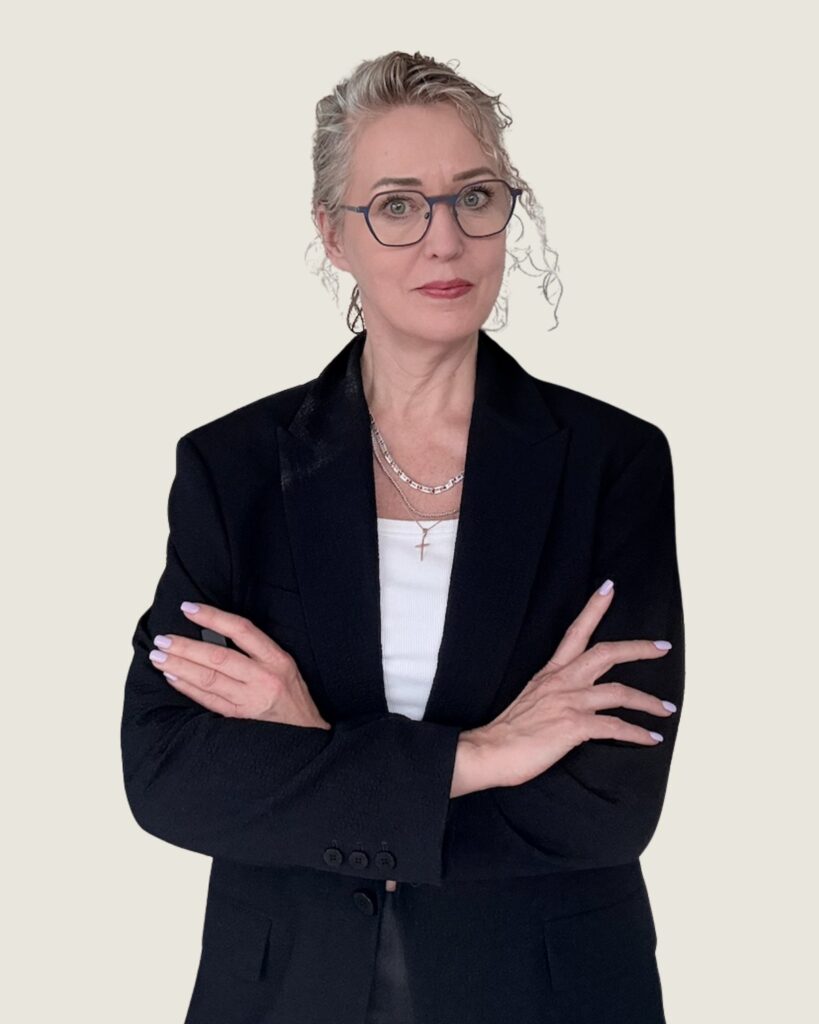
Who you’ll be working with
A change holds when the way the work is organized changes and the managers can lead it the new way. So I don’t change one without the other.
With nine years of experience in managing production in regulated manufacturing, I see work processes as one system. I know how to change that system so the change holds, and how to prepare managers to lead it.
Frequently asked questions
What is strategy implementation and change management?
Changing how a company is managed and how its work processes run, so that the strategy is carried out instead of staying on paper. The leadership team decides what has to change. An external consultant sees the whole picture, shows what is getting in the way of the strategy, challenges assumptions, runs the process and, if needed, stays alongside the team until the new way holds.
When does a company need a change management consultant?
When it’s hard to see from the inside what really needs to change, when the people who should lead the change are busy running today’s business, when nobody in the team has led a change project of this size, or when an earlier attempt has already slid back to the old way.
Why do change projects slide back?
Most changes are introduced one department at a time, while the work that matters most crosses departments, where the old habits still hold. The new process meets the old way of running the company, and the old way wins.
How is this different from process improvement?
Processes are only one part. The work looks at how the whole company is run, because a process redesigned inside an unchanged way of running the company usually drifts back.
Does this mean a reorganization?
Not necessarily. Most of the change happens in how the company is run day to day, not in the organization chart.
Do we need a strategy first?
The change needs a direction to serve. If the direction isn’t clear yet, the work starts with facilitated strategy development.
Who takes part?
The owner, the leadership team and key people from each function.
How do you build a continuous improvement culture?
Through workshops with the teams, run alongside the change, so that improving how things are done becomes part of everyday work and the change keeps moving after the project.
Our problems look like people problems. Is this the right kind of help?
It can be. A problem often looks like a people problem when it lands on the level at which people don’t have the authority to solve it: it needs a decision higher up. We find these problems, and the leadership team decides who owns each one, so it gets solved instead of passed around.
What is the result?
A whole picture of what is getting in the way of the strategy, decisions on what has to change in how the company works, a change plan with owners and dates, a continuous improvement culture in place, and, if needed, support while the change takes hold.
Does the consultant leave after the plan?
Not necessarily. If needed, Raina Dureja stays alongside the team while the change takes hold, with regular reviews and support for managers as they start working the new way.
How long does it take?
The diagnosis and the change plan depend on the scope: one area, a few departments or the whole company. If needed, support follows while the change takes hold.
Who leads the work, and in which languages?
Raina Dureja, a strategic advisor with 25 years in executive and leadership roles. She works with business owners, boards and leadership teams, in Latvian, Russian and English.
How do we start?
With a free 30-minute call about the change you expect and whether we’re a fit. Book it in the calendar or chat with Raina Dureja on WhatsApp. You can also start with a two-hour Pick-My-Brain Session.
Articles on change management
-
The Dashboard Is Green. Is the Company?
A company can deliver excellent financial results while becoming less capable of delivering them again. Revenue…
Planning a change project?
Let’s talk about the change you expect and see whether we’re a fit.