
EXECUTIVE ADVISORY & COACHING
For the person accountable for the whole business.
I work one to one with business owners, board members and senior executives whose role has grown with the company. At the top, all the responsibility lands on you. And there are only a few people with whom you can think things through openly.
As thinking partners, we work on the question itself: the options, what each one would cost, and the assumptions behind your reasoning. And we work on you as a leader: which responsibilities should stay with you and which belong to your team, how you approach hard conversations, how your people experience you.
The aim is that you handle the next difficult decision better yourself.
When an independent view makes sense
Everyone inside the company is affected by the outcome or depends on you, so no one there can give you a neutral view.
A difficult conversation has to happen, and you want to prepare for it with someone outside the situation.
You have a new role, or you are handing everyday business operations over to a successor. In either case, you need a strategy.
A decision about a partner you’re in conflict with, or a key executive who no longer fits, is hard to make objectively.
Advice and coaching are not the same thing
Advice is about a decision. Executive coaching is about you as the leader.
In advisory, I give you my view on the decision: where the risks are, which assumptions need testing, and what I would do. You decide what to do with it.
Executive coaching works on how you lead in the role the company now needs from you. You build your own strategy for that role, and your team comes to you for decisions less often.
Often there is a need for both. At the start, we agree on what you need.
How it works
An independent partner at the moments that matter: before a decision, before a difficult conversation, while your role changes.
HOW IT RUNS
- A first conversation about your situation, where we set goals tied to what your role requires from you.
- Individual sessions in a rhythm agreed with you, on the decisions and questions in front of you.
- When a decision can’t wait, a conversation between sessions.
WHAT YOU HAVE AT THE END
Decisions you have tested before you make them. And your own strategy for your role: where you are taking the business, what you expect from your people, and your plan for stepping out of operations.
The length follows what you need: one decision, or a period of regular sessions.
From a real assignment
A newly appointed head of department came with one request: help him part with an employee. Underneath it was a bigger question: what is his department actually for, and who is his team?
Behind the employee and the daily friction sat one pattern: he was compensating by hand for things nobody had designed.
Over six sessions the department moved from fire brigade to a function with its own place in the company strategy. Overall discipline improved. The employee he wanted to dismiss stayed and now delivers on time.
He changed too. He now makes his department’s results visible, his future career goals are tied to the work in front of him, and he feels much calmer than he used to.
Client anonymised.
Who you’ll be working with
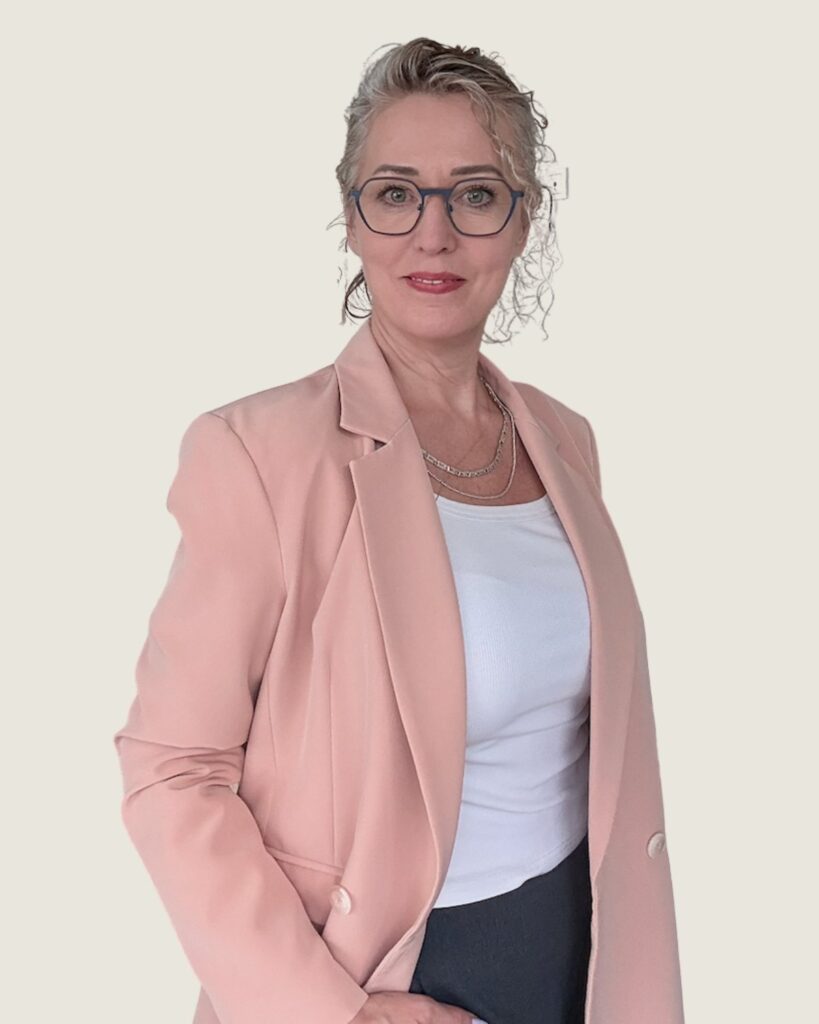
I read the person and the system together. When something keeps going wrong around a capable leader, the cause is rarely only in the leader or only in the organization, so I look at both.
Behind this are 25 years in executive roles, including leading an industry association of more than 50 member companies, and my five years of practice as an executive coach.
Frequently asked questions
What is executive coaching?
One-to-one work with a business owner, board member or senior executive on how they lead, tied to what the business needs from them now. It starts from the leader’s own situation, not from a training curriculum, and its result is the leader’s own strategy for the role.
How is an executive coach different from a mentor or a business consultant?
An executive coach uses all three. I share experience, as a mentor would, give my view on the business, as a consultant would, and coach. Which one I use depends on the question in front of you. The aim stays the same: how you lead, and the results the business needs from you.
Is executive coaching therapy?
No. Therapy works on a person’s history and well-being. Executive coaching works on your present role and the results the business needs from it. Personal patterns come in only where they shape how you lead: how you make decisions, how you handle difficult conversations, what you find hard to let go of.
How do I step out of day-to-day operations?
By deciding three things: which responsibilities stay with you, what you hand over to your successor or your team, and what you stop doing altogether. Then a handover roadmap is developed and implemented, so the business keeps growing while you turn to your future goals.
Is what we discuss confidential?
Yes. What we discuss stays between us. The only exceptions are the ones the law requires.
Can I arrange coaching for one of my leaders?
Yes. Before the coaching starts, the three of us, you, the leader and I, agree in writing. The agreement sets the goals for the coaching, aligned with the needs of the business and the leader, and what information about the process will be available to the company. The content of the sessions stays between the leader and me. The company hears about progress toward the agreed goals from the leader or in meetings where the three of us review it together.
How often do we meet, and for how long?
Coaching runs as a defined series of sessions with goals agreed at the start, for example six sessions every two weeks over three months. We meet online or in person.
When is one-to-one work not enough?
Coaching works with one leader. When several capable people run into the same problem, the cause is not in them but in how the company is run, and coaching one person won’t fix it. What is needed then is a change in how the company is managed, and the leadership team has to make the decisions. I do this work in strategy implementation and change management. If you first need to decide where the company should go, we start with facilitated strategy development.
What are your coaching qualifications, and in which languages do you work?
Certified Executive Coach, Center for Executive Coaching (2020). Erickson Solution Focused Coach Certificate, Erickson Coaching International (2020). Certified Exponential Coach, Academy of Exponential Coaching (2021). I work in Latvian, Russian and English.
How do we start?
With a free 30-minute call about your situation and whether we’re a fit. Book it in the calendar or chat with me on WhatsApp. You can also start with a two-hour Pick-My-Brain Session.
Articles on advisory and coaching
A difficult decision ahead, or a new role?
Let’s talk through your situation and see whether we’re a fit.